Tickets, volunteer and stallholder applications for the 2026 festival are now available at https://myco.tidyhq.com/
Accomodation including cabins, powered and non powered sites, is available at the Ballan Caravan and Tourist Park. All enquiries/bookings 0467 084 733
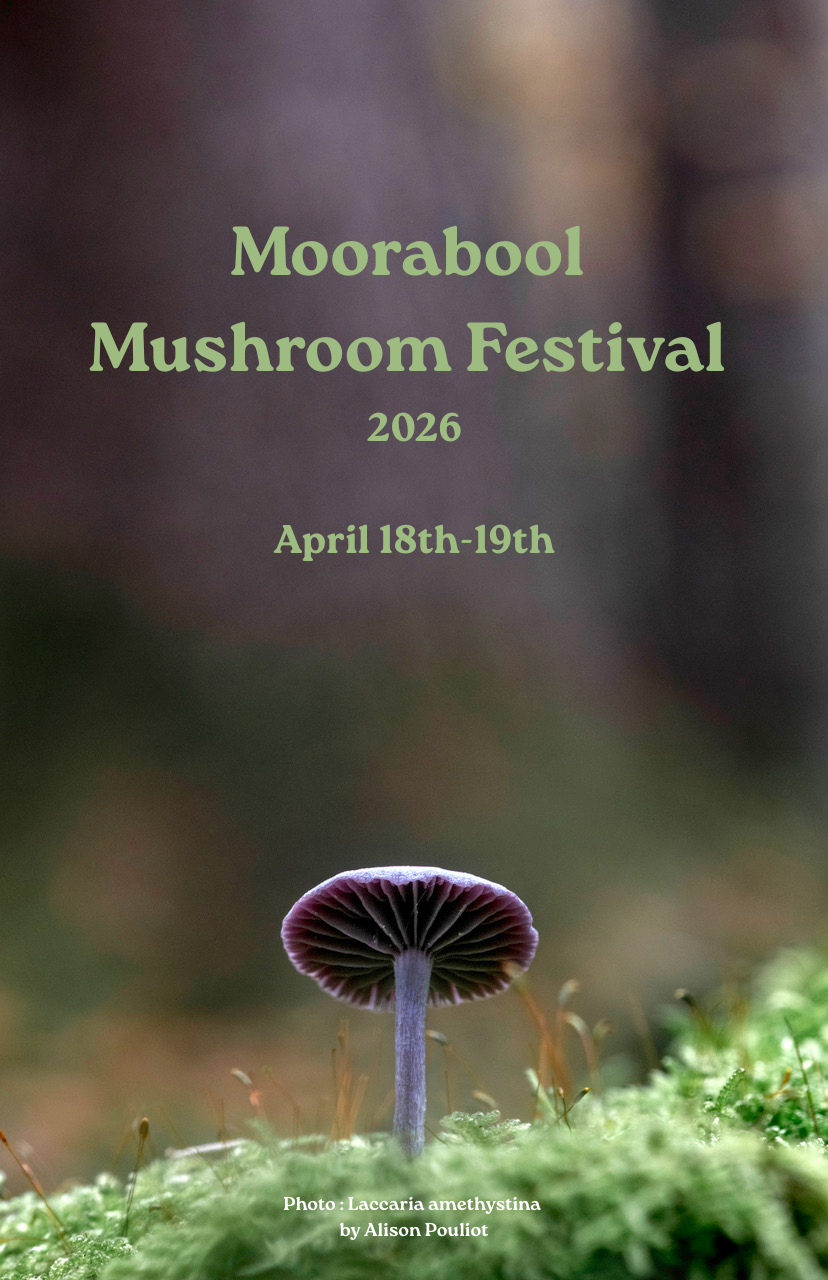
Moorabool Mushroom Festival
Bacchus Marsh, Victoria, April 18-19, 2026
TICKETS AVAILABLE:
Purchase here: https://thq.fyi/se/0d3e3ec0cdbc
Join us for a celebration of all things fungi in Bacchus Marsh in April 2026, for the annual Moorabool Mushroom Festival!
The event will be held at the Bacchus Marsh Town Hall, which is 15 minutes walk from the Bacchus Marsh train station and near ample parking.
This 2 day festival will be looking at all aspects of fungi including:
- ecology
- citizen-science
- cultivation
- foraging
- food
- medicine
- mycoremediation
- mycomaterials
As part of this we will have talks, workshops, art, a social event and a market. There will be food for sale (including vegan options).
MYCOmmunity is a not-for-profit organisation. All proceeds from the festival will go to cover costs, to next year's festival or to local citizen science projects such as monitoring fungi in Wombat Forest.
Program
*Program, more speakers and workshops coming soon!
Speakers
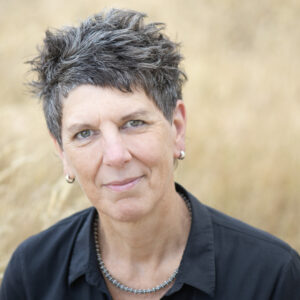
Alison Pouliot is an ecologist with a passion for fungi. Her journeys in search of fungi span northern and southern hemispheres, ensuring two autumns and a double dose of fungi each year.
As scientist and photographer, author and someone who roams the forest daily, Alison delves deep into the realm of fungi through multiple lenses.
She has presented over 700 seminars, workshops and forays across a dozen countries. Alison is actively involved in fungal conservation, research and teaching, and is author of The Allure of Fungi, Underground Lovers (due March 2023) and co-author of Wild Mushrooming.
For more information www.alisonpouliot.
Fungi are master collaborators, ancient shapeshifters, and quiet architects of life — though they rarely receive the credit they deserve. Cast as villains, oddities, or dubious dinner guests, mushrooms have endured centuries of bad press. In recent decades, mycophiles and mycologists have been steadily reshaping how we understand fungi, gently teasing apart the myths and misunderstandings that cloud their reputation. Although misconceptions linger, momentum is growing toward a more grounded, informed, and generous view of mushrooms.
Across millennia and cultures worldwide, ethnomycological knowledge has been carefully carried forward through lived experience. Fungi have long been woven into foodways, medicine, ritual, and storytelling, reflecting a rich, place-based understanding born of muddy knees, close observation and a great deal of hanging out with fungi.
And yet, in our current age of heightened vigilance, the humble mushroom sometimes finds itself recast as a shadowy figure — something to fear, avoid, or report immediately to the nearest authority. These alarmist narratives flatten fungi into caricatures and erode the cultural and ecological wisdom that has long helped humans live well alongside them. Approaching fungi with curiosity rather than fear opens space for learning, care, and connection.
In the spirit of revival and regeneration, this talk proposes a small but meaningful recalibration. Alison invites us to exhale, come back to earth, and meet mushrooms anew — not as threats or spectacles, but as the wonderfully strange, profoundly useful, and life-giving collaborators they have always been.
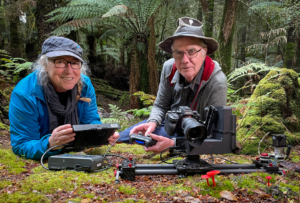

Allison Mertin is research scientist based at the Research Centre for Ecosystem Resilience, whose work focuses on plant–microbe interactions. She completed her PhD at the University of Melbourne, where her research explored how seed-associated fungi and bacteria might be used to improve plant growth of native Australian plants used in restoration projects.
Much of Allison’s work focuses on the seed microbiome - the diverse community of fungi and other microbes that exist on and within seed. Her research has shown that these often- overlooked fungi can play important roles in plant survival, stress tolerance, and ecosystem recovery, highlighting their potential to improve conservation and restoration outcomes. In addition to her research, Allison has worked at the PlantClinic at the Botanic Gardens of Sydney, where she contributed to diagnosing plant diseases and identifying fungal pathogens affecting gardens and native vegetation.
Her work bridges fundamental ecological microbiology and practical conservation applications, aiming to improve biodiversity outcomes through a deeper understanding of plant–microbial relationships in native ecosystems. At this festival, she’ll be talking about why seeds are never alone and why fungi matter from the very start of a plant’s life.
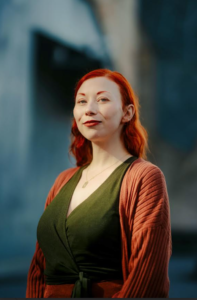
Amanda Morgan Co-Founder | Head of Research and Development | Fungi Solutions
Amanda is a founder at Fungi Solutions, where we turn waste into something beautiful using fungi. With a passion for rescuing resources, she leads a team dedicated to pushing the boundaries of design innovation and creating regenerative alternatives to polluting materials. Her work includes establishing a myco-cycling industry for circular economy solutions and researching enhanced mycelium applications. Amanda is also a dedicated Biodesign educator, inspiring students and professionals to think about sustainability and innovation in new ways. Her approach is inclusive and collaborative, and she firmly believes in creating a world that is not only sustainable, but regenerative and thriving.
Amanda has several pre-booked practical workshops at the event. More details coming soon

Pauline Hoppe: Diving into the world of fermentation for the last 6 years I found my passion in the transformation of ingredients and something more complex and interesting. I keep learning and sharing this passion imparting workshops around Argentina, Uruguay, Spain, Australia and online; where I get to know more fermentation enthusiasts to talk about what we could be doing with all these that nature provides us. I had my mushroom and fermentation based restaurant back home which was my lab and playground. An amazing experience that taught me a lot. This is an infinite world that we can be exploring forever. which I find very exciting!. thank you for being part of it
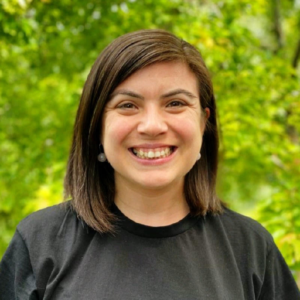
Claudia Carrasco-Cabrera is a postdoctoral researcher at CSIRO working at the interface of fungal physiology, solid-state fermentation, and bioprocess design. Her research focuses on the transformation of agro-industrial side streams using mushroom-forming fungi, integrating metabolomic and proteomic approaches to link enzyme activity with functional fermentation outcomes, including protein- and metabolite-level changes. She is also the Custodian of the CSIRO Wood-Inhabiting Fungi Collection, a living collection of over 2,000 fungal strains that supports research across food, agriculture, biotechnology, and environmental applications, and underpins efforts to translate fungal biodiversity into practical bio-based solutions. Claudia is passionate about connecting cutting-edge fungal science with growers, makers, and the wider community.
Brewer’s spent grain is a major byproduct of beer production that still contains valuable nutrients. This talk explores how mushroom-forming fungi can transform this material through solid-state fermentation. By analysing changes in small molecules and proteins, the work shows that different mushrooms reshape the chemistry of spent grain in different ways, and that moisture levels play an important role in this process. Rather than acting as a simple waste treatment, fungal fermentation emerges as a flexible and controllable approach for converting underutilised materials into new ingredients and functional biomass, with potential applications in future food systems and circular bioeconomy solutions

Dr. Vivian Sandoval is an entomologist passionate for the taxonomy and biology of insects associated with fungi, such as leaf-cutter ants and mycetobiont beetles. Vivian works for the Department of Agriculture and Fisheries with market access and fruit fly post-harvest disinfestation research. In her spare time, Vivian is foraging for fungi in order to study the complex biology of their inhabitants, with the support of the QLD Mycological Society. She is also the artist behind "Bugs and Beads", a gift shop specialised in insect/fungi inspired accessories, jewellery, stationary and educational resin blocks. Vivian wants to increase appreciation for insects and fungi, raise awareness, change negative perceptions and entomophobia with her products.
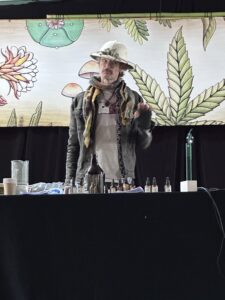
Michael Ryan: I first met mushrooms in art class, when my teacher brought a collection of wild specimens for still-life drawing. That quiet fascination grew over the years and, after a personal health crisis, led me to take my medical needs into my own hands. With a background in working with plants and fungi, I turned to the medicinal properties of mushrooms.Today I make small-batch, organic mushroom tinctures with care and intention. My offerings have never been a planned business — they grew out of study and practice: a mix of alchemy, mycology, and a Soupist’s hands-on approach. I produce over 30 spagyric tinctures, each crafted to high standards and offered to help my community and strangers I have yet to meet.-on approach. I produce over 30 spagyric tinctures, each crafted to high standards and offered to help my community and strangers I have yet to meet.
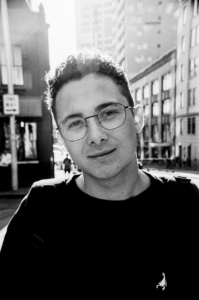
Josh Riesel is a designer, researcher, and maker working with mycelium-based materials. His work discusses the potential for mycelium biomaterial production to provide ecological engagement beyond being another compostable biomaterial
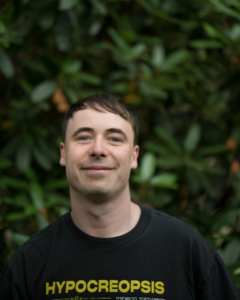
Tannar Coolhaas is a photographer and fungi nerd living in the Otway Ranges on Gadubanud country. Tannar's interests span fungi photography, field mycology, fungi taxonomy, ecology and conservation. Through community pathways such as the Field Naturalists Club of Victoria, Moorabool Mushroom Festival, and online platforms like iNaturalist, Tannar has been involved in various mycological projects ranging from Tea Tree Fingers surveying, supplying images for research publications, and working with friends and researchers to unravel mycological mysteries.
Instagram: @sportyanimallovingextrovert
iNaturalist: @tannarc
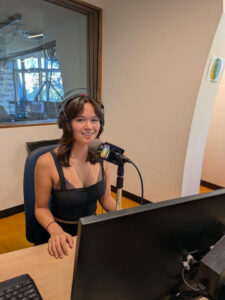
Clarisse Sawyer is a PhD candidate at the University of Melbourne’s Frankenberg lab.
Her project is centred on determining transgenic solutions to the Batrachochytrium dendrobatidis (chytrid) pandemic, a pandemic which has decimated global amphibian populations.
In her spare time she likes painting, writing, and making the podcast about insects that she cohosts, Thoughts That Bug Me.
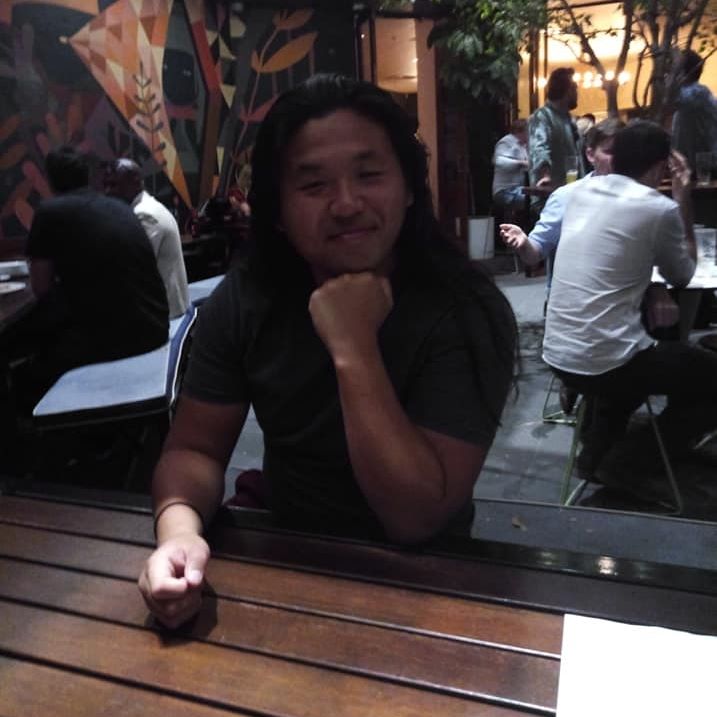
Melvin Xu Researcher at University of Melbourne on Entomopathogenic fungi, Vice President & volunteer at MYCOmmunity and Coordinator of the Fungi Group of Field Naturalist Club Victoria.
The relationship between Orchid and their fungal partners are crucial to their survival, Orchids seeds are not able to germinate due to their lack of available nutrients, this is where fungi play a crucial role providing accessible nutrients for the Orchid seeds when the environment is suitable.
Working in Council, Landcare, and volunteer groups, begun his home propagation from his own Australian Native Terrestrial Orchids. With his own stock of fungi and seeds hope to develop new protocols to include fungi into local nursery and future conservation of native Orchids.
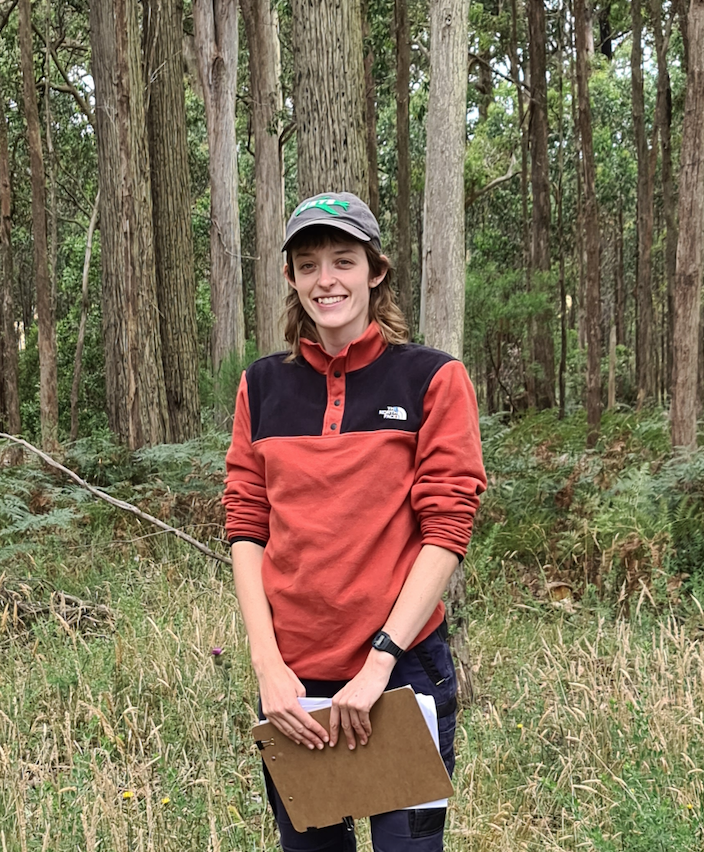
Emily McIntyre is a graduate of a Masters of Ecosystem Management and Conservation, where her thesis explored the effect of biotic and environmental variables on soil fungi across an elevational gradient. She is currently undertaking a PhD at the University of Melbourne, where she is studying the diversity and ecology of hypogeous fungi in south-eastern Australia. Her research explores the distribution and diversity of these fungi and their mutualistic relationship with the endangered Long-Footed Potoroo. She is also currently undertaking research through MYCOmmunity's Wild Fungi DNA Project to examine the effect of storm damage on soil fungi within Wombat Forest.
Emily is most interested in learning about the interactions that fungi have with plants, animals, and abiotic factors, to better understand how ecosystems function.
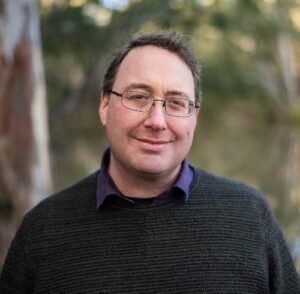
Caine Barlow is a Fungi Educator and Mycologist based in Melbourne, Australia. He gives regular talks on mycology, fungi conservation, and teaches gourmet mushroom cultivation. He works closely with the Australian organisation Entheogenesis Australis, and is a co-founder of the US-based organisation The Entheome Foundation.
Caine started foraging mushrooms in the early 1990's, started cultivating gourmet fungi in the mid 2000's, and has been teaching mushroom cultivation in person since 2017. He completed a Bachelor of Science at the University of Tasmania and a Master of Science at the University of Melbourne, where his research project focused on Conservation Mycology.
He has written widely for organisations such as Entheogenesis Australis, DoubleBlind, and Psychedelics Today. He has coauthored papers on Wood-lover Paralysis, the ecology and genetics of Psilocybe. Lately, he been diving down numerous bioinformatic rabbit holes! He is also the author of the 2024 book Wakeful Mushroom Cultivation Journal.

Jeremy Hegge (he/him) is a citizen scientist, mushroom educator and amateur mycologist based in Naarm/Melbourne. He is currently focused on documenting the fungal biodiversity of so-called Australia.In 2024 he started his business Partial Veil and has since run 100’s of mushroom walks across southern Victoria and South-east Queensland. These walks focus on educating the public about mushroom identification, fungal ecology and just how little we know about this fascinating kingdom of life.Jeremy adopts a slow and researched approach to identification with a strong focus on understanding taxonomy and local biodiversity. Although he is interested in sustainable mushroom foraging, his main interest is to document and share his enthusiasm for fungi. He is an active contributor to iNaturalist with over 10K observations and over 25K fungi identifications. He also helps moderate several large fungi identification groups on social media and has identified countless mushrooms over the past 5+ years.

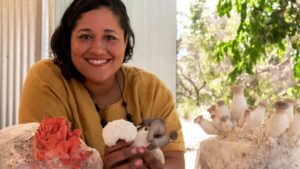
I am Feresh Pizarro, the founder of South Spore. South Spore is a sustainable off-grid mushroom farm near Robe, SA. We love educating people about the amazing and often ignored capacities of fungi! We believe fungi are the missing link for solving many of our biggest problems. Our mission is to sustainably cultivate gourmet and medicinal mushrooms and be a portal for people to learn about this Queendom. For more information, please visit our website at southspore.com.au or follow us on Instagram at _south_spore or on Facebook's South Spore page.
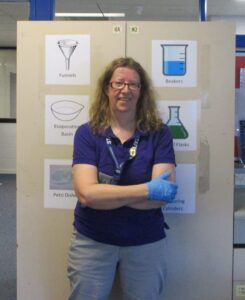
Fran La Fontaine is a highly experienced science laboratory technician with a career spanning 30+ years across areas of research, tertiary and secondary science education. At university (RMIT), she gained a unique biology degree featuring units in plant pathology, applied mycology and medical mycology. A growing love of fungi and subsequent work at RMIT saw her assist in developing the practical component of Melbourne’s first Applied Mycology short course. Fran is skilled in microscopy techniques and fungal culture, with particular personal interest in microfungi (such as soil fungi, and those that cause plant disease). She is excited to share with you the fascinating ‘inner-inner’ workings of mushrooms through the microscope lens at her Festival workshops.
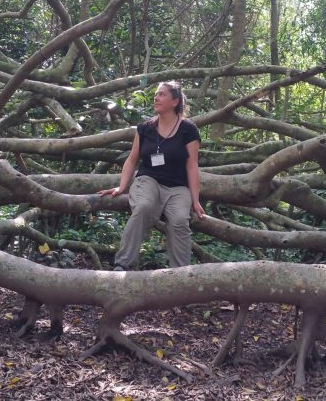
Event coordinator
Ema Corro (she/her) is the main organiser of the Moorabool Mushroom Festival. She is also president and co-founder of MYCOmmunity.
Ema is a mycologist with experience in mushroom cultivation, myco-materials, environmental science and ecology. She also has extensive experience with community engagement and science communication. She regularly teaches courses and workshops on various aspects of mycology including science, cultivation and identification. She is coordinator of the Wild Fungi Project which aims to increase knowledge of Australian fungi by engaging citizen scientists in collecting and sequencing mushrooms, as well as developing environmental DNA techniques to monitor pest and endangered fungi.